Valentine Crafts For Kids Preschool Easy Ideas That Spark Joy, Creativity & Learning (2026 Guide)
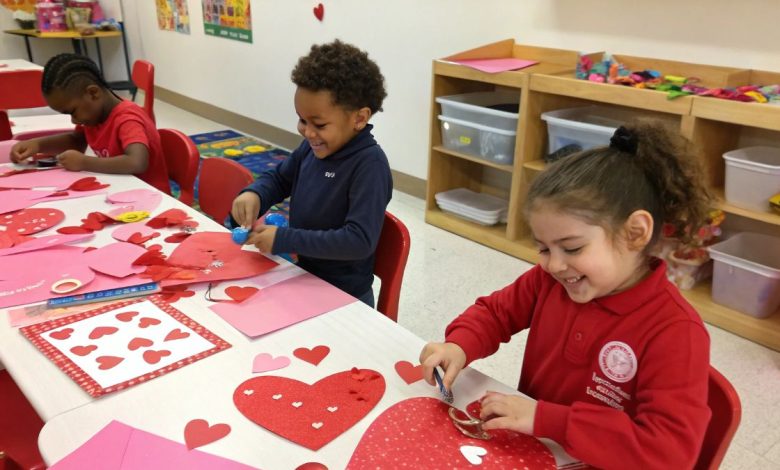
There’s something magical about little hands covered in glue, paper hearts scattered on the table, and giggles filling the room—especially around Valentine’s Day. If you’re searching for Valentine Crafts For Kids Preschool Easy enough for tiny learners, you’re in the right place.
Whether you’re a parent, teacher, or daycare provider, creating meaningful Valentine moments doesn’t have to be complicated or expensive.
This guide is packed with simple, joyful ideas designed for young children, including Valentines Day Crafts For Kids Preschool, Valentines Day Art For Toddlers, and playful February Crafts For Toddlers that build creativity while strengthening fine motor skills.
From soft-textured Heart Crafts For Toddlers to colorful Preschool Art Activities that double as keepsakes, each idea is crafted with real classrooms and busy homes in mind.
Inside, you’ll find inspiration that works for daycare settings, preschool classrooms, and cozy kitchen tables—plus tips to turn everyday materials into heartfelt DIY Valentines Gifts kids are proud to share.
Why Valentine Crafts Matter in Preschool Learning
Valentine crafts are far more than cute seasonal activities. In preschool and daycare settings, they quietly support early childhood development in powerful ways.
When children cut hearts, glue paper, or press paint-covered hands onto cardstock, they’re building fine motor skills, strengthening hand-eye coordination, and learning patience.
These moments also nurture emotional growth—kids practice kindness, sharing, and expressing affection in age-appropriate ways.
Teachers often notice that Valentine-themed projects encourage even shy children to participate.
The familiar symbols—hearts, colors like red and pink, and friendly messages—feel safe and inviting. Craft time becomes a shared experience where children learn to follow instructions, make choices, and proudly show their work.
From a practical standpoint, Valentine crafts are easy to adapt. They work in classrooms, daycares, or homes and can be simplified for toddlers or expanded for older preschoolers.
With inexpensive supplies and flexible steps, these activities allow educators and parents to focus less on perfection and more on creativity, connection, and joyful learning.
Related Article: Easy Valentines Day Crafts for Toddlers Ideas to Spark Creativity
1. Classic Heart Crafts for Preschoolers
Heart crafts are a Valentine staple for a reason—they’re simple, recognizable, and endlessly versatile. Preschoolers love repeating heart shapes in different colors, textures, and sizes. These activities also introduce early math concepts like shapes, symmetry, and patterns.
One popular idea is heart collages using construction paper scraps. Children tear or cut paper hearts and glue them onto a larger heart template. Tearing paper strengthens finger muscles, while choosing colors supports decision-making.
Another favorite is heart stamping using sponges or foam shapes dipped in washable paint. Kids delight in seeing repeated heart prints appear, learning cause and effect along the way.
For sensory learners, textured heart crafts work beautifully. Adding cotton balls, tissue paper, or fabric scraps gives children new sensations to explore.
Teachers often observe longer attention spans during tactile projects, especially for toddlers who benefit from hands-on exploration.
These classic heart crafts also double as keepsakes. Parents appreciate receiving heartfelt artwork that reflects genuine effort rather than store-bought perfection.
2. Valentine Crafts Using Everyday Materials
Not every preschool or home has access to fancy craft supplies—and that’s perfectly fine. Some of the best Valentine crafts come from everyday items already on hand. Paper plates, toilet paper rolls, coffee filters, and cardboard boxes can all transform into charming creations.
Paper plate hearts are a classroom favorite. By cutting a plate into a heart shape or decorating it with paint and stickers, children practice spatial awareness and creativity. Toilet paper rolls can become heart stamps, binoculars, or even love bugs when painted and decorated with pipe cleaners.
Coffee filter crafts are especially engaging. When children drip diluted paint or markers onto filters, the colors blend naturally, creating beautiful heart designs. This introduces early science concepts like absorption and color mixing in a playful way.
Using recycled materials also teaches sustainability. Preschoolers begin to understand that objects can be reused, fostering early environmental awareness while keeping craft costs low.
3. Toddler-Friendly Valentine Crafts for Daycare
Toddlers experience the world differently than preschoolers, so Valentine crafts for daycare settings should focus on simplicity, safety, and sensory engagement. Projects with minimal steps and larger materials work best.
Handprint art is one of the most beloved toddler Valentine crafts. With washable paint, toddlers press their hands onto paper to form heart shapes or simple designs. These projects capture a moment in time and are deeply cherished by families.
Sticker-based crafts are another daycare-friendly option. Peeling and placing stickers supports fine motor development without requiring scissors. Heart stickers, foam shapes, or dot labels allow toddlers to participate independently while feeling successful.
Mess-friendly crafts, like finger painting in zip-top bags, are ideal for group settings. Toddlers can explore color and movement without direct contact, keeping cleanup manageable while still offering sensory fun.
The key with toddler crafts is flexibility. The goal isn’t a perfect result—it’s engagement, exploration, and joy.
4. Valentine’s Day Art Activities That Build Skills
Preschool art activities shine when they combine creativity with learning. Valentine-themed projects naturally support early literacy, math, and emotional development when designed intentionally.
Patterned heart art helps children recognize and repeat sequences. Using colored stickers or crayons, kids create patterns like red-pink-red, building early math skills. Name-writing crafts, where children decorate hearts with their names, reinforce letter recognition and confidence.
Emotion-based art is especially meaningful. Teachers can introduce faces showing happy, kind, or loving expressions and invite children to decorate them. These projects open conversations about feelings and empathy in a developmentally appropriate way.
Process art—where the focus is on creating rather than the final product—is particularly valuable. Allowing children to experiment freely with paint, glue, and textures encourages problem-solving and self-expression, making Valentine’s Day art both fun and educational.
5. February Crafts That Go Beyond Valentine’s Day
While Valentine’s Day is the highlight of February, extending crafts throughout the month keeps learning fresh and engaging. February crafts can explore themes like friendship, kindness, and winter.
Snow-and-heart combination crafts blend seasonal themes. Children might paint snowy backgrounds and add heart shapes, connecting winter imagery with Valentine colors. Friendship chains made from paper strips help preschoolers visualize connection and teamwork.
Kindness jars or posters are also powerful February projects. Children decorate containers or charts and add drawings of kind actions. These crafts reinforce positive behavior and classroom community long after Valentine’s Day passes.
By broadening the focus, February crafts remain relevant and meaningful, offering ongoing opportunities for creativity and social learning.
6. DIY Valentine Gifts Made by Preschoolers
Handmade Valentine gifts are deeply meaningful because they come from the child’s effort and imagination. Preschoolers take pride in creating something special to give, whether it’s for parents, siblings, or classmates.
Simple card-making stations work well. With folded paper, stickers, and crayons, children create unique cards that reflect their personalities. Teachers can guide children to dictate short messages, supporting language development.
Decorated photo frames are another favorite. Using cardboard frames embellished with hearts and paint, children create keepsakes that families treasure. Salt dough ornaments shaped like hearts also make lasting gifts and introduce basic measurement concepts.
These DIY gifts emphasize thoughtfulness over perfection, teaching children that love and effort matter most.
7. Sensory Valentine Crafts for Curious Learners
Sensory play is essential in early childhood, and Valentine crafts offer many opportunities for tactile exploration. Sensory-rich projects engage multiple senses, supporting cognitive and emotional development.
Heart-shaped playdough mats encourage squeezing, rolling, and shaping. Adding scents like vanilla or strawberry makes the experience even more engaging. Sensory bins filled with pink rice, scoops, and heart shapes invite open-ended play.
Painting with unconventional tools—like cotton balls or toy cars—adds excitement and variety. Children experiment with texture and movement, learning through discovery.
Sensory Valentine crafts are especially beneficial for children who thrive on hands-on activities, offering calm, focused engagement while celebrating the season.
8. Group Valentine Crafts for Preschool Classrooms
Group projects foster collaboration and shared pride. Large-scale Valentine crafts work beautifully in classroom settings, encouraging teamwork and communication.
A classroom heart mural is a simple yet impactful idea. Each child decorates a heart, which is then displayed together. This visual representation of community reinforces belonging and cooperation.
Chain-of-hearts decorations teach sequencing and teamwork. Children work together to link paper hearts, seeing how individual efforts create something bigger.
Group crafts also simplify preparation and cleanup, making them practical for busy teachers while still delivering meaningful experiences.
9. Low-Mess Valentine Crafts for Busy Days
Not every day allows time for paint-covered tables and extended cleanup. Low-mess Valentine crafts provide creative engagement without overwhelming teachers or parents.
Sticker collages, crayon-resist drawings, and pre-cut paper crafts minimize mess while still offering creative choice. Dry media like crayons and colored pencils are easy to manage and store.
Reusable craft trays help contain materials and define workspaces. Children learn responsibility by keeping supplies organized.
Low-mess crafts ensure creativity stays enjoyable rather than stressful, especially during busy classroom schedules.
10. Valentine Crafts That Encourage Storytelling
Crafts can also spark language development when paired with storytelling. Valentine-themed projects naturally inspire conversations about love, family, and friendship.
After completing a craft, children can describe their artwork or explain who it’s for. Teachers can ask open-ended questions, encouraging vocabulary and confidence.
Story-based crafts, like decorating characters or scenes, allow children to create narratives. These activities bridge art and literacy in a natural, engaging way.
When crafts invite storytelling, they become powerful tools for communication and self-expression.
11. Inclusive Valentine Crafts for All Abilities
Inclusive crafting ensures every child can participate meaningfully. Valentine crafts adapt easily to different abilities with thoughtful planning.
Using larger materials, pre-cut shapes, and adaptive tools supports children with motor challenges. Offering multiple ways to participate—drawing, sticking, or stamping—ensures success.
Visual instructions and step-by-step demonstrations help children who benefit from structure. Most importantly, celebrating effort rather than outcome fosters confidence and belonging.
Inclusive Valentine crafts reflect the heart of early education: every child matters.
12. How to Organize Valentine Craft Stations
Craft stations keep activities manageable and engaging, especially in classrooms. Setting up themed stations allows children to rotate and explore different projects.
One station might focus on painting, another on collage, and a third on card-making. Clear labels and visual cues help children understand expectations.
Rotating stations reduce wait times and allow teachers to observe and support learning more effectively. This setup also encourages independence and choice.
Well-organized stations transform craft time into a smooth, enjoyable experience.
13. Tips for Managing Craft Time Successfully
Successful Valentine crafting requires planning and flexibility. Preparing materials in advance saves time and reduces stress.
Demonstrating steps before starting helps children understand the process. However, allowing creative freedom ensures each child’s work remains unique.
Accepting imperfection is key. Spilled glue or uneven hearts are part of learning. Keeping expectations realistic ensures craft time stays positive and fun.
With the right mindset, Valentine crafts become joyful moments rather than rushed tasks.
14. Making Valentine Crafts Evergreen and Shareable
Evergreen crafts remain relevant year after year. By focusing on themes like kindness and creativity, Valentine projects extend beyond a single holiday.
Photographing finished crafts and sharing ideas builds community among educators and parents. Simple adaptations allow crafts to grow with children’s abilities.
When crafts emphasize process, connection, and joy, they remain meaningful long after February ends—making them truly timeless.
Final Thoughts,
Valentine’s Day is all about love, connection, and creativity—and with Valentine Crafts For Kids Preschool Easy, those moments are well within reach. These ideas show that you don’t need fancy supplies or a big budget to create meaningful experiences for young children.
Whether you’re planning Toddler Valentine Crafts For Daycare, exploring February Crafts For Preschoolers, or introducing gentle February Infant Crafts, each activity invites learning through play.
The best part? These crafts adapt easily to any space—classroom, daycare, or home—and grow with your child’s abilities.
Simple heart shapes, bright colors, and hands-on fun make lasting memories while supporting early development.
So gather your paper, glue, and smiles, and start creating. Try one activity today, share the love, and let these Valentine crafts turn ordinary moments into something truly special.